
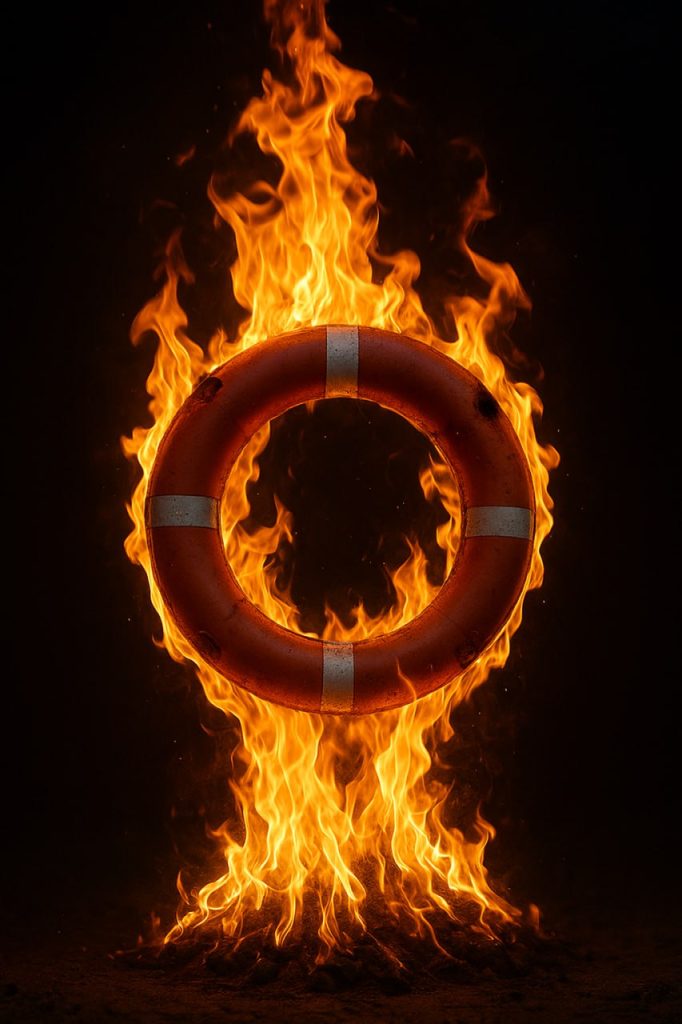
Test #4. Lifebuoy Fire Test | Part 3
🟢 Regulation: IMO MSC.81(70), Part 1, paragraph 1.5🟢 Purpose: To ensure that the lifebuoy material will not ignite or support combustion when exposed to an open flame. 🗣 How the Test is Performed 1️⃣ Preparation 2️⃣ Flame Exposure 3️⃣ Observation 🗣 Success Criteria ✅ The lifebuoy did not ignite.✅ Burning does not continue after the […]
Learn more
Alternative Fuels. Newbuilding orders fell in November, with LNG still leading.
According to the latest data from DNV, only 10 alternative fuel ships were ordered worldwide in November 2025, significantly fewer than the 27 orders in November 2024. All 10 ships were dual-fueled with LNG, including six container ships and four tankers. DNV reports that a total of 232 alternative-fuel ship orders were placed in the […]
Learn more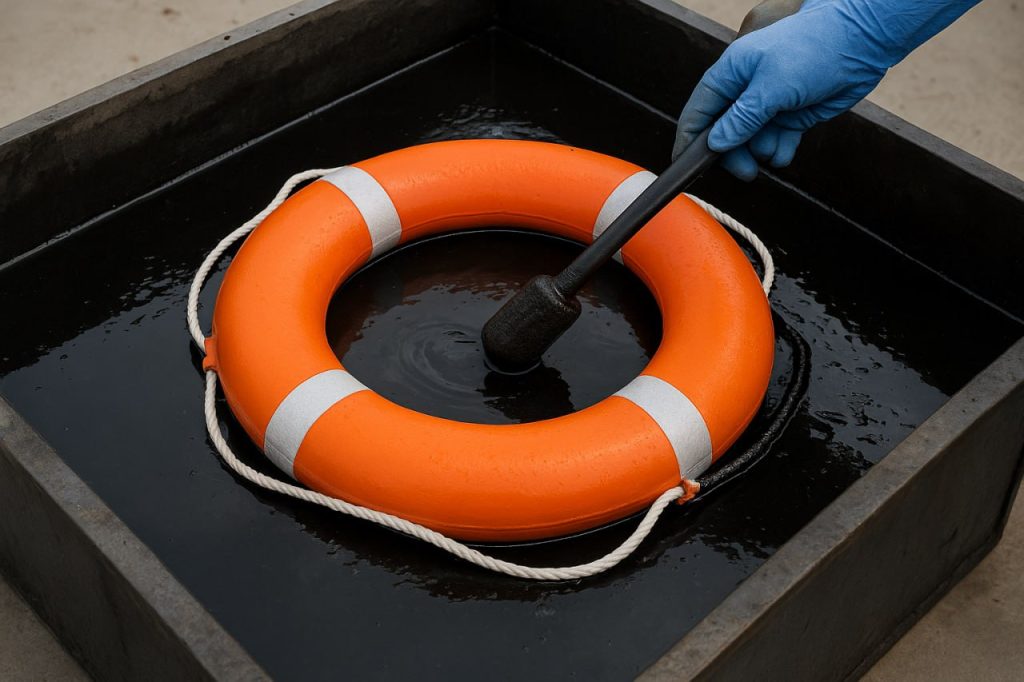
Lifebuoy Oil Resistance Test | Part 2
🟢 Regulation: IMO MSC.81(70), Part 1, paragraph 1.4🟢 Purpose: To test whether the lifebuoy will retain its properties when exposed to oil products (diesel, fuel oil) that may surface during an accident. 🗣 How the Test Is Performed 1️⃣ Preparation 2️⃣ Immersion in Oil 3️⃣ Duration 4️⃣ Removal and Inspection 🗣 Success Criteria ✅ The […]
Learn more
Lifebuoy Temperature Cycling Test | Part 1
🟢 Regulation: IMO MSC.81(70), Part 1, paragraph 1.2🟢 Purpose: To check that the lifebuoy material maintains its properties when used in various climatic conditions, from the Arctic to the tropics. 🗣 How the test is performed 1️⃣ Preparation 2️⃣ Freezing 3️⃣ Heating 4️⃣ Repeat the cycle (if necessary) 5️⃣ Final inspection 🗣 Success Criteria ✅ […]
Learn more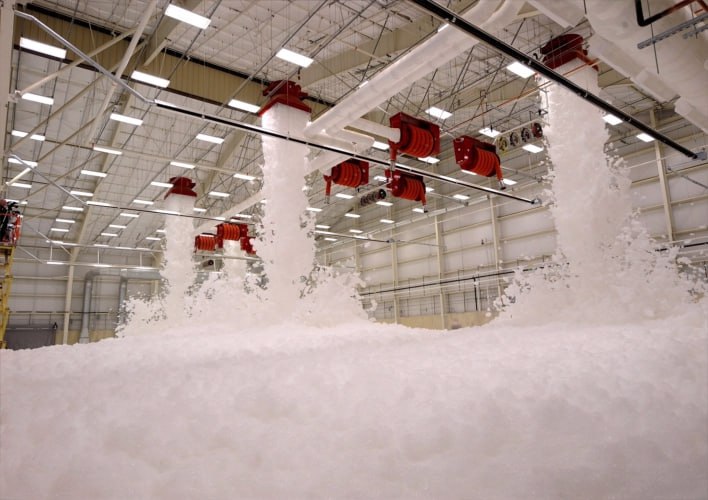
Are your firefighting foam concentrates PFOS-free?
From January 1, 2026, all ships must comply with the IMO ban on the use of PFOS-based firefighting foam concentrates, in accordance with the amended SOLAS Chapter II-2 and the HSC Codes. PFOS, once prized for its performance, is now banned due to serious environmental and health risks such as persistent pollution, bioaccumulation, and toxicity. […]
Learn more